MemoryShield Blog
Insights, tips, and news on digital inheritance, online security, and protecting your legacy.

Where to keep a goodbye letter so the right person gets it, and not too early
USB sticks, envelopes and wills compared with a vault, named trustees and an email check-in: how to keep a goodbye letter from being lost or found too soon.

How to record a video for your children
What to say in a legacy video for your kids, simple recording tips, and how to record or upload it to your vault so the trustees you choose can download it after verification.

Future messages vs a release protocol: why who receives it and how it's released matter
Messages for loved ones can be scheduled, released on a report, or released after missed check-ins and verification. How to compare approaches by who and how.

Keeping a loved one's videos and letters
A gentle, practical guide to gathering and keeping the videos, letters and photos of someone you've lost.

What is an ethical will (legacy letter)? How it differs from a legal will
An ethical will, or legacy letter, passes on values, stories and hopes. It isn't a legal will. What to include, how to start, and where to keep it.

Letters to leave your kids: how to write them, and where to keep them
Five letters worth writing for your children, simple writing tips, and how to keep them safe in a vault with named trustees and an email check-in, released only after verification.

Before you deploy: a modern way to leave the "if you're reading this" letter
How to write a pre-deployment letter to family, and keep it with named trustees instead of an envelope, released only after missed email check-ins and verification.

Recording a parent's stories before they fade: a weekend plan
A two-day plan for recording a parent's stories together: prompts, simple video tips, and a vault your parent owns, where they choose who receives their stories.

Letters to your kids, just in case: a gentle guide for new parents
A calm, practical guide for new parents writing a just-in-case letter to their child: what to write, how to keep fear out of it, and where to keep it with a trusted person.

How to help aging parents organize their digital legacy (without collecting their passwords)
Help aging parents capture their stories, letters and videos together, then let them choose who receives what, with an email check-in and verification. Includes a checklist and conversation starters.

A memorialized profile isn't a goodbye message: Facebook Legacy Contact and Instagram memorialization
Meta's tools memorialize a Facebook or Instagram profile. They don't hold private letters or videos for your family. What they do, and where your letters fit.

Platform settings pass on data. Your letters need a different plan.
Apple Legacy Contact and Google Inactive Account Manager pass on account data. Letters and videos for specific people need their own plan. How they fit together.

Letters, videos and instructions: building what your trustees receive
Build a release packet with letters and videos at its heart, plus photos, documents and wishes, for named trustees who receive it only after verification.

How an email life-check and verification work before vault release
An email life-check asks whether you are still responding. If check-ins are missed, MemoryShield runs multi-step verification—extended monitoring, backup-contact notification, and a waiting period—before releasing prepared vault packets to named trustees. Email-only; no death-certificate product step.

LastPass Emergency Access vs a digital release protocol
LastPass Emergency Access lets a trusted LastPass user request your vault after a waiting period you configure. A digital release protocol serves a different job: legacy packets, named trustees, automated email life-check, and verification before release—beside LastPass, not instead of it.

Passkeys, 2FA, and what happens after you die
Passkeys and two-factor authentication protect accounts while you are alive—and they complicate access after death. Plan recovery codes and instructions in a digital-legacy release protocol beside your password manager; do not treat passkeys as automatically inheritable.

Executor vs digital trustee
An executor administers an estate under law. A digital trustee receives prepared vault materials through a release protocol after verification. The roles can overlap in people—but they are not the same job. Education only; not legal advice.

1Password Emergency Kit vs named trustees
The 1Password Emergency Kit is a recovery PDF for regaining your account—not a timed emergency-access request feature and not a digital-legacy release plan. Family Organizer recovery and sharing a Kit are different jobs from named trustees, email life-check, and verification. Keep 1Password; add a release protocol beside it.

Letters released if you stop checking in: a dead man's switch, done safely
Want letters for your family released if you stop checking in? Five dead man's switch myths, and how an email life-check with multi-step verification works instead.

What to keep in a legacy vault: letters, photos, videos and documents
What belongs in a legacy vault: letters, videos, captioned photos and documents, plus what to leave out, such as live passwords and legal instructions.

Will, logins, and letters: a four-layer legacy checklist
A four-layer checklist: letters and videos, your will, your logins, and how it all reaches named trustees after an email check-in and verification.

Bitwarden Emergency Access vs a release protocol
Bitwarden Emergency Access helps a trusted contact request your vault if you are unreachable. A release protocol serves a different job: legacy packets, named trustees, automated email life-check, and verification before release—beside Bitwarden, not instead of it.

A will does not release your digital vault
A will does not release a digital vault. Named trustees, an email life-check, and multi-step verification form a release protocol that complements estate documents.

Your logins have a plan. Your letters don't.
Password manager emergency access is built for credentials. Letters, videos and photos for specific people need their own plan, released after verification.

The Importance of a Digital Will in the 21st Century
Discover why managing your digital assets is as crucial as traditional estate planning in today's interconnected world.

5 Common Mistakes to Avoid in Digital Estate Planning
Selecting trustworthy and capable digital trustees is key to ensuring your digital legacy is handled correctly. Here's what to consider.
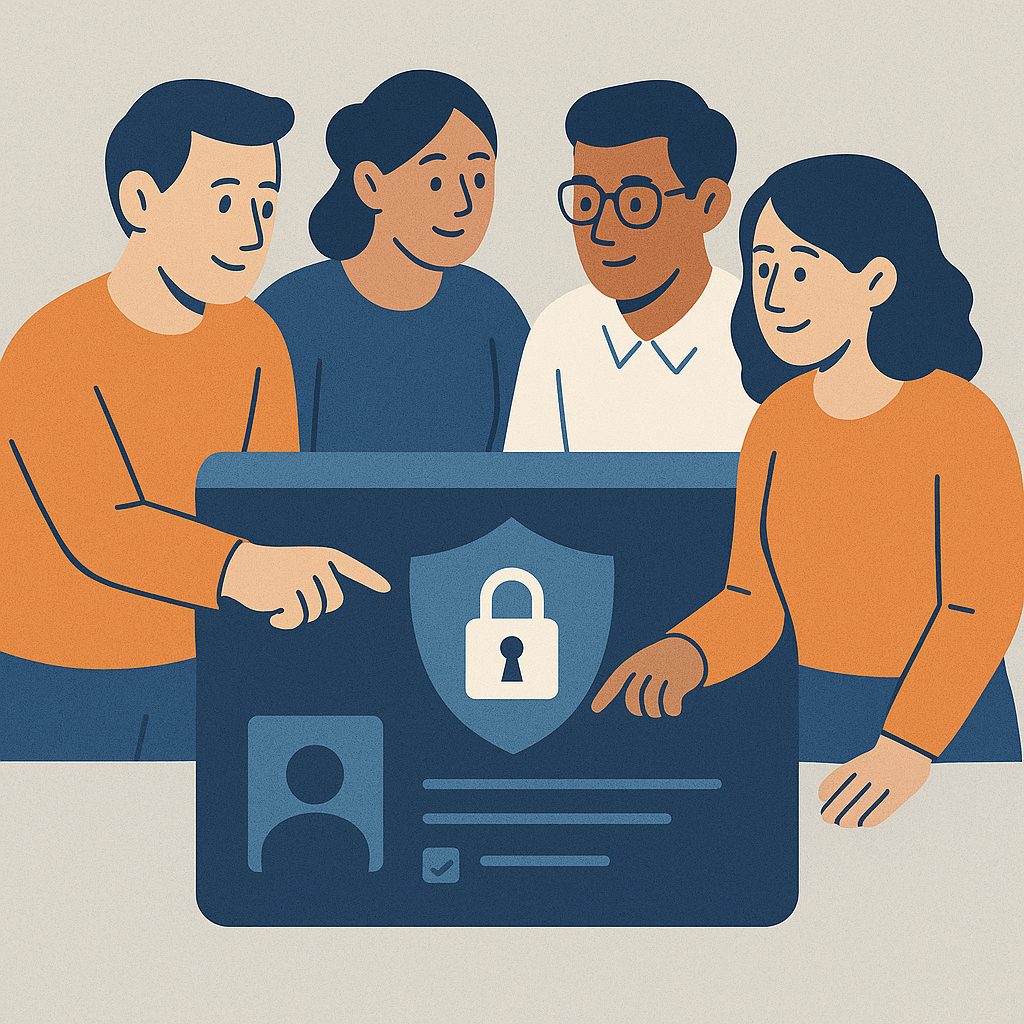
Who should receive your letters? How to choose your trustees
How to choose the trustees who will receive your letters and videos: closeness, judgment, reliability, and how trustees differ from backup contacts and executors.